
Public Policy Consulting for Data-Driven Decision Making
by Gotham Polling
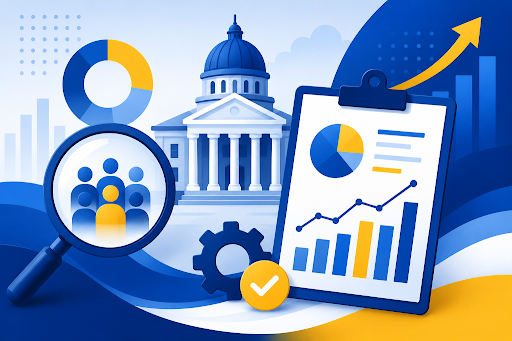
Public policy decisions can have far-reaching effects on communities, organizations, and government institutions. Whether addressing public concerns, evaluating policy proposals, or planning future initiatives, decision-makers increasingly rely on evidence rather than assumptions. This is where public policy consulting plays a critical role.
By combining research, public opinion data, stakeholder insights, and strategic analysis, public policy consulting helps leaders make informed decisions that align with both community needs and organizational objectives. In an environment where expectations and priorities can shift quickly, access to reliable information is essential for effective planning and implementation.
What Is Public Policy Consulting?
Public policy consulting involves providing research, analysis, and strategic guidance to help organizations navigate complex policy issues. Consultants work with government agencies, advocacy groups, nonprofits, research institutions, and political organizations to better understand public sentiment, policy impacts, and stakeholder perspectives.
Rather than relying solely on internal assumptions, organizations use public policy consulting services to gather objective information that supports decision-making. This often includes public opinion research, surveys, focus groups, policy analysis, and data interpretation.
The goal is not simply to collect information but to transform data into actionable insights that can guide strategy development and policy implementation.
Why Data Matters in Public Policy Decisions
Public policy decisions affect diverse groups with varying priorities and concerns. Without accurate information, leaders risk making decisions that fail to address the needs of the people they serve.
Data-driven decision-making offers several advantages:
- Provides a clearer understanding of public opinion
- Identifies emerging issues and trends
- Evaluates support for proposed policies
- Measures awareness and engagement levels
- Reduces uncertainty in strategic planning
- Supports accountability and transparency
As discussed in our article on What Data Helps Influence Policy Decisions?, reliable data provides an important foundation for evaluating policy options and understanding their potential impact.
When organizations have access to high-quality research, they can approach decisions with greater confidence and clarity.
Key Components of Public Policy Consulting
Effective public policy consulting typically incorporates several research and analytical approaches.
Public Opinion Research
Understanding how people view specific issues is often the first step in policy development. Public opinion polling allows organizations to measure awareness, support levels, priorities, and concerns among target audiences.
Polling data can help decision-makers determine which issues resonate most strongly with stakeholders and where additional communication or engagement may be needed.
Stakeholder Analysis
Policies often affect multiple groups, each with unique perspectives and interests. Stakeholder analysis helps identify these groups and evaluate how proposed decisions may impact them.
This process provides valuable context that can strengthen policy planning and implementation strategies.
Survey Research
Surveys are widely used to gather feedback from residents, voters, employees, members, or other audiences. They offer a scalable way to collect data and identify patterns that might otherwise go unnoticed.
Organizations frequently use surveys to measure satisfaction, assess policy effectiveness, and identify areas for improvement.
Focus Groups and Qualitative Research
While quantitative data provides measurable results, qualitative research helps explain the reasoning behind those results.
Focus groups and interviews can reveal attitudes, motivations, and concerns that may not emerge through survey responses alone. Combining qualitative and quantitative methods often leads to a more complete understanding of public opinion.
For a deeper look at these approaches, see our article on What Is the Difference Between Qualitative and Quantitative Polling?
Supporting Strategic Planning
One of the most valuable aspects of public policy consulting is its ability to support long-term strategic planning.
Decision-makers often face challenges such as:
- Allocating limited resources
- Prioritizing competing initiatives
- Responding to changing public expectations
- Evaluating policy performance
- Building stakeholder support
Research-driven insights help organizations assess risks, identify opportunities, and develop strategies grounded in evidence.
Instead of reacting to events as they occur, leaders can proactively plan based on reliable information and emerging trends.
Measuring Policy Effectiveness
Policy development does not end once a program or initiative is implemented. Ongoing evaluation is essential for understanding whether objectives are being achieved.
Public policy consulting often includes performance measurement and evaluation services that help organizations:
- Track outcomes over time
- Measure public satisfaction
- Identify unintended consequences
- Assess program effectiveness
- Inform future policy adjustments
Continuous evaluation creates opportunities for improvement while ensuring that decisions remain aligned with organizational goals and community needs.
The Role of Public Opinion in Policy Development
Public opinion should not be the sole factor driving policy decisions, but it remains an important consideration for understanding community priorities and concerns.
Polling and research provide valuable context that can help decision-makers:
- Understand constituent perspectives
- Identify areas of consensus
- Recognize emerging concerns
- Improve communication strategies
- Strengthen public engagement efforts
When combined with expert analysis and policy expertise, public opinion data can contribute to more informed and effective decision-making.
Conclusion
Effective leadership requires more than intuition. It requires access to accurate information, thoughtful analysis, and a clear understanding of stakeholder perspectives. Public policy consulting helps organizations achieve these goals by transforming research and public opinion data into practical insights.
As policy challenges become increasingly complex, data-driven decision-making provides a valuable framework for developing informed strategies, evaluating outcomes, and supporting long-term success. Organizations that invest in evidence-based research are often better positioned to navigate uncertainty and make decisions that reflect both strategic priorities and public needs.